Zooby Siddiqui

Introduction
With growing competition for skilled professionals, ensuring accurate candidate information is a key step in the recruitment process. As candidates strive to stand out in a crowded market, the temptation to exaggerate experience or academic credentials has never been higher. For employers, this creates a significant challenge: how do you distinguish truly qualified talent from those who simply have a well-written, but inaccurate, resume?
This is where CV verification becomes an essential safeguard. It is the formal process of auditing a candidate’s claims, from degrees and job titles to professional licenses, to ensure every detail is truthful and verifiable. By implementing a rigorous resume verification strategy, organisations can move beyond “taking a candidate’s word for it” and instead build a recruitment engine based on trust and data.
In this blog, we will explore the core methods of validating candidate profiles, the modern challenges HR teams face, and the best practices for building a secure, efficient hiring process.
What is CV Verification?
A Curriculum Vitae (CV), or simply a CV, is a document that shows a candidate’s education, work experience, skills, and achievements. CV verification is the process of checking that all the details listed in a candidate’s CV are correct and truthful. This includes verifying educational qualifications, past job roles, certifications, and other claims. The goal is to make sure the information is reliable so that organizations can hire the right candidates without risks.
Key aspects include:
- Educational Verification: Confirming degrees, diplomas, and certifications.
- Employment History Check: Verifying past job roles, titles, and work experience.
- Professional Credentials: Ensuring licenses and professional certifications are valid.
- Skills and Achievements Validation: Checking that claimed skills and accomplishments are accurate.
It helps companies build a trustworthy recruitment process and ensures that hiring decisions are based on accurate and reliable information.
Key Benefits of CV Verification In the Hiring Process
A structured CV verification process offers several advantages, ensuring that hiring decisions are accurate and reliable. It reduces the risk of hiring unqualified or misrepresented candidates, saving time and resources for HR teams. A consistent process also builds trust among management, HR, and candidates, while laying the foundation for broader background checks, including criminal, financial, and professional screenings. Overall, it strengthens the quality of hires, supports compliance, and enhances the organization’s reputation.
Reduces Hiring Risks: By confirming all claims, it minimizes the chance of onboarding unqualified or misleading candidates. This helps protect the company from operational, financial, or reputational issues.
Saves Time and Resources: Early detection of discrepancies prevents lengthy corrective measures later. HR teams can focus their time on qualified candidates, making recruitment more efficient and cost-effective.
Builds Trust in Recruitment: A transparent and consistent verification process strengthens credibility among HR teams, management, and candidates. It fosters confidence in the organization’s hiring standards.
Supports Employment Background Verification: CV verification serves as the first step in broader background checks, including criminal, financial, or professional screenings. Accurate validation ensures that subsequent checks are meaningful and reliable, forming a complete picture of the candidate’s suitability.
Step-by-Step Methods for Effective CV Verification
CV verification is a critical part of the hiring process. It ensures that all claims made by a candidate in their resume are accurate, authentic, and reliable. By following a structured verification process, organizations can reduce hiring risks, avoid costly mistakes, and recruit the most qualified candidates.
The key methods include:
Contacting Previous Employers: This is a key step in resume verification where HR teams confirm a candidate’s employment history, including roles, responsibilities, tenure, and performance. For instance, in Hong Kong, employers may verify details with previous companies to ensure the candidate’s experience aligns with the information provided. This helps identify exaggeration or misrepresentation and supports more accurate hiring decisions.
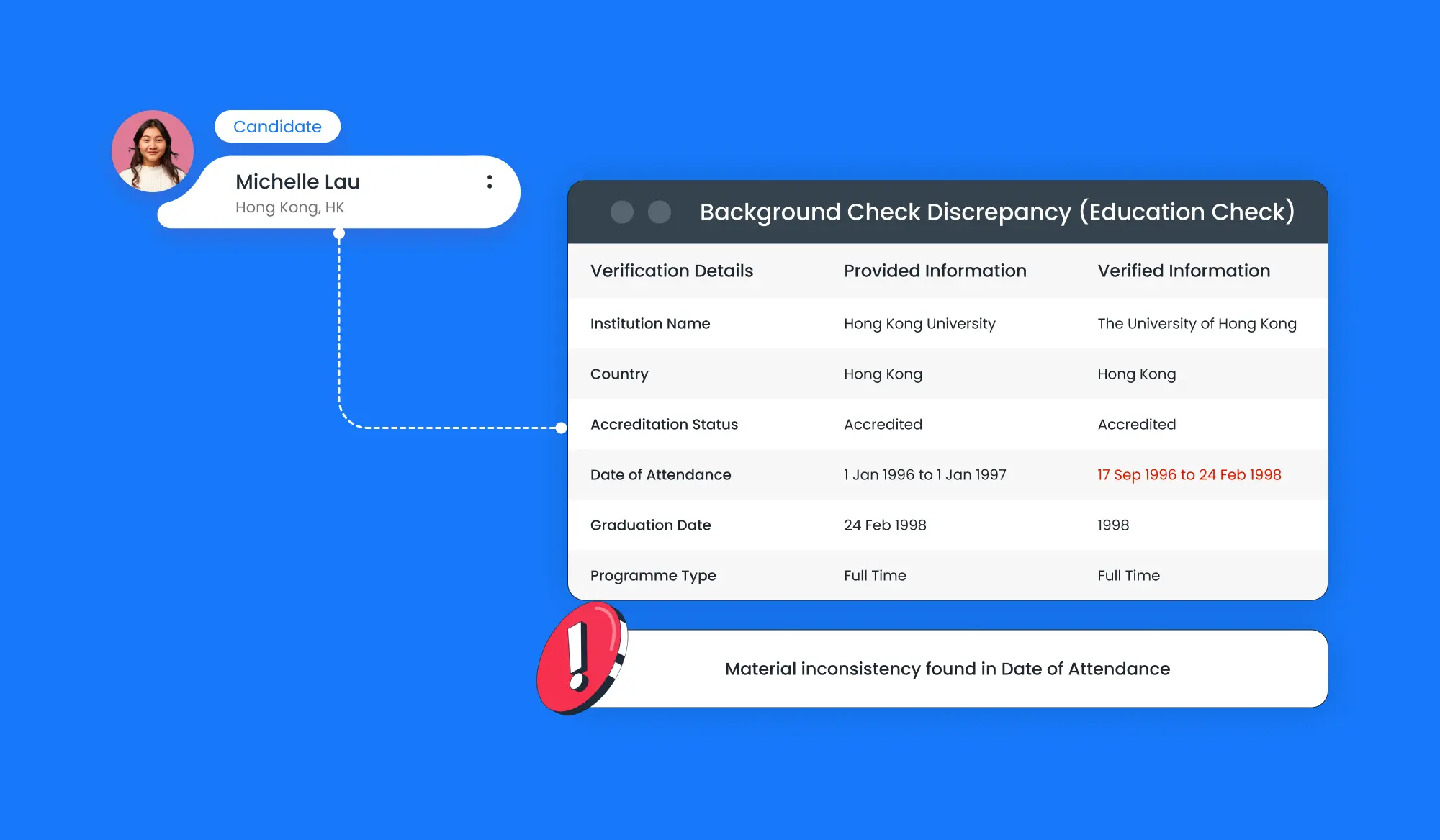
Academic Credentials: Verifying educational qualifications ensures that a candidate’s degrees and certifications are authentic and issued by recognized institutions. For instance, in Hong Kong, employers may validate academic records with universities or official bodies to confirm their legitimacy. This helps ensure candidates have the required knowledge and reduces the risk of false claims.
Validating Professional Licenses and Certifications: Many roles require specific professional licenses or industry certifications. Employers must ensure that these credentials are legitimate, current, and recognized by relevant authorities. For instance, healthcare professionals need valid medical licenses, finance professionals may require certifications such as CPA or CFA, and in regions like Hong Kong, roles in the financial sector often require licenses issued by regulatory bodies such as the Securities and Futures Commission (SFC). Verifying such credentials helps meet regulatory standards and reduces hiring risks.
Cross-Checking References: Speaking with professional references is a valuable way to confirm a candidate’s skills, work ethic, and experience. Reference checks provide insights that cannot be found on a resume, such as leadership abilities, teamwork, reliability, and problem-solving skills. By asking structured questions, HR teams can verify whether the candidate’s claimed experience aligns with reality. This step also helps uncover soft skills, cultural fit, and other qualities that are critical for long-term success in the organization.
Common Challenges in Verifying CV
Verifying a Curriculum Vitae (CV) is an essential part of the hiring process, helping organizations ensure that candidate information is accurate and reliable. It supports better decision-making and reduces the risk of hiring based on incorrect details.
Despite its importance, the verification process can present several challenges that may affect the accuracy and efficiency of the hiring process:
False Information: Candidates may exaggerate or misrepresent their roles, achievements, or experience to appear more qualified. Detecting such a discrepancy requires careful verification and cross-checking from reliable sources.
Incomplete Records: Some educational institutions or previous employers may not maintain updated or easily accessible records. This can make it difficult for HR teams to confirm qualifications or employment history on time.
Cross-Border Credential Verification: In a global job market, especially in hubs like Hong Kong, candidates often hold degrees or work experience from multiple countries. Verifying credentials across different time zones, languages, and educational systems is a logistical challenge, often requiring specialized knowledge of foreign institutions and international data regulations.
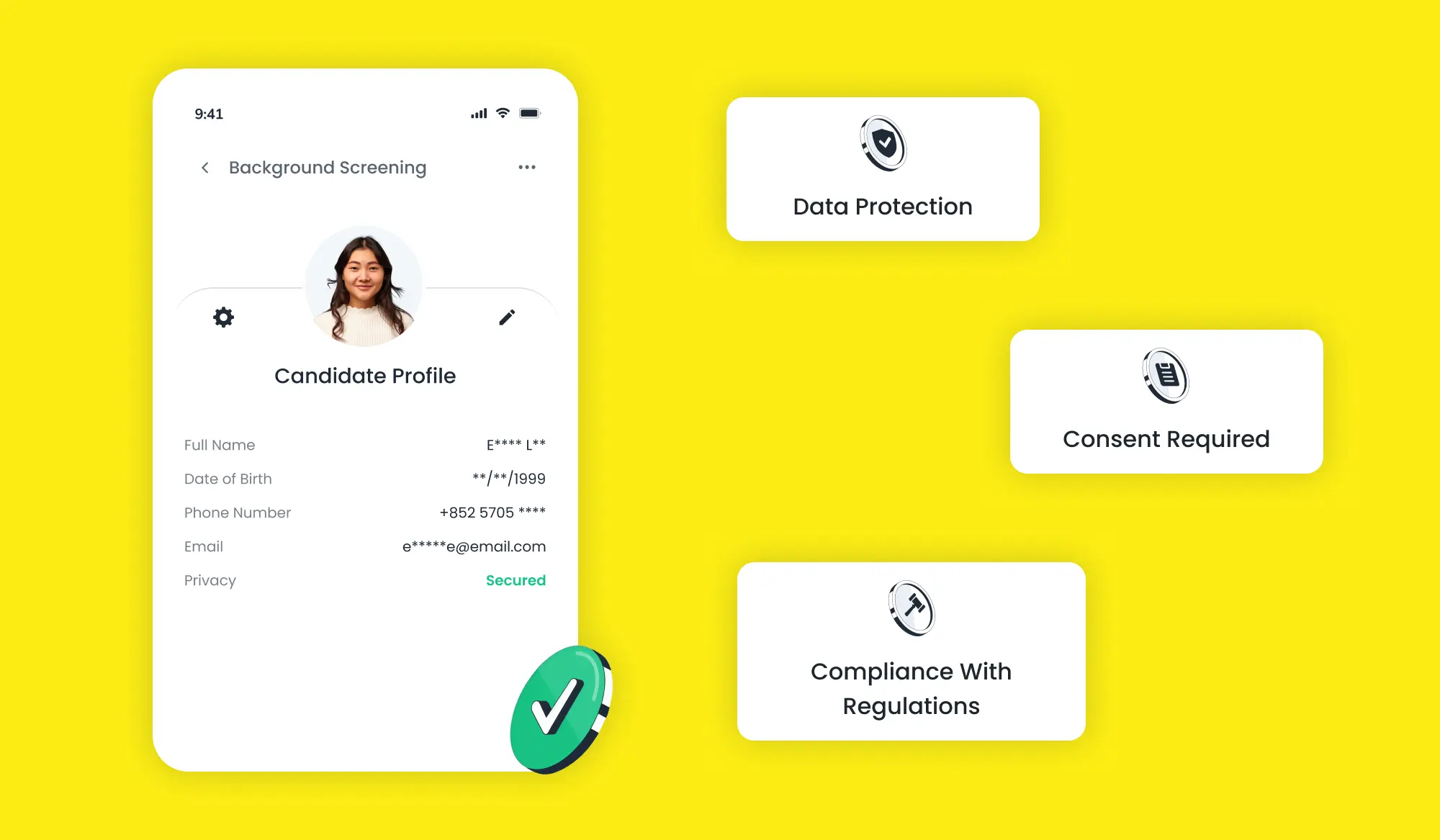
Data Privacy & Compliance: Handling sensitive candidate information comes with strict legal obligations. Compliance with laws such as Hong Kong’s Personal Data (Privacy) Ordinance is critical. Improper collection, storage, or sharing of verification data can expose organizations to legal and financial risks.
Limited Response from References: In some cases, previous employers or references may not respond promptly or may have policies restricting the sharing of employee information, making verification more challenging.
Understanding these challenges allows organizations to plan better, adopt efficient verification methods, and implement structured CV verification strategies for more accurate and reliable hiring outcomes.
Best Practices to Verify Candidate CVs Effectively
To maximize effectiveness, organizations should follow a structured and consistent verification approach. Implementing the right practices not only improves accuracy but also enhances efficiency and builds trust in the hiring process. The following best practices can help achieve reliable verification outcomes:
Use Reliable Sources: Always verify candidate information through credible and authorized sources such as universities, certification bodies, and previous employers. Relying on unofficial or unverified sources can lead to inaccurate results. Using trusted sources ensures that the information collected is authentic and dependable, reducing the chances of errors in hiring decisions.
Maintain Standard Procedures: Establish a clear, consistent verification process to be followed for all candidates. Standardization helps ensure fairness, reduces bias, and improves efficiency across the recruitment process. A well-defined procedure also makes it easier for HR teams to handle multiple verifications systematically and maintain quality.
Cross-Border Credential Verification: In a global job market, especially in hubs like Hong Kong, candidates often hold degrees or work experience from multiple countries. Verifying credentials across different time zones, languages, and educational systems is a logistical challenge, often requiring specialized knowledge of foreign institutions and international data regulations.
Leverage Technology: Utilize digital verification tools or professional services to automate repetitive tasks such as document checks, employment verification, and record management. Technology not only speeds up the process but also minimizes human error and ensures better data accuracy. It is especially useful for organizations handling high volumes of recruitment.
Document Findings: Maintain proper records of all verification activities, including responses from institutions, employers, and references. Documentation is important for future reference, internal audits, and compliance with legal or organizational requirements. Well-maintained records also provide transparency in case of disputes or re-verification needs.
Use Third-Party Verification Services: Partnering with professional background verification agencies helps ensure accurate, fast, and compliant candidate checks, especially for large-scale hiring needs.
By following these best practices, organizations can create a smooth, accurate, and reliable verification process. A well-structured approach to CV verification not only reduces hiring risks but also strengthens the overall quality and credibility of recruitment efforts.
Conclusion
CV verification is a crucial part of the hiring process that helps organizations ensure the accuracy and authenticity of candidate information. It plays a key role in reducing hiring risks, saving time and resources, and strengthening the overall employment background verification process.
By adopting a structured approach, addressing common challenges, and following best practices, organizations can make more informed hiring decisions. Ultimately, effective resume verification enables companies to build a reliable, skilled, and trustworthy workforce.
Still Relying Only on What Candidates Claim?
Ensure candidate details are verified before hiring to reduce risks and improve decision-making.