 Pooja J

Introduction
The insurance industry is a key pillar of the global economy, safeguarding businesses and individuals from unforeseen risks. However, due to its unique nature and sensitive operations, the industry faces increased risks of fraud and financial crimes.
Once considered a low-risk sector, the industry is now a prime target for fraud, causing significant financial losses for companies and increased premiums for policyholders. To prevent such incidents, having a trustworthy workforce is crucial. This is where background checks in the insurance industry come in. By screening employees for responsibility and trustworthiness, insurance firms can enhance security, reduce internal risks, and prevent fraud.
Companies operating in regulated markets such as Hong Kong are increasingly adopting comprehensive insurance industry background checks to strengthen hiring decisions, improve compliance screening, and reduce fraud risks.
Risks of Fraud in the Insurance Industry
Former insurance employees charged by ICAC for $4.25m fraud and $2.3m money laundering involving dummy agents and false policy applications. | Source: Hong Kong Business Ethics Development Centre | 17 July 2024
Jail for ex-Chubbs Insurance employee who cheated company into disbursing S$11m in false claims over 7 years. | Source: Today Online, Singapore | 29 April 2024
Fraud Case at Samsung Fire & Marine Insurance: Employee Embezzled 1.5 Billion Won | Source: Business Korea | 27 September 2024
These incidents emphasize the pressing need for comprehensive background checks in the insurance industry. The rising tide of internal fraud and financial misconduct reveals the significant risks linked to employing unverified individuals. As these challenges persist, adopting robust background verification processes becomes vital. By confirming that personnel in sensitive positions have trustworthy and reliable backgrounds, insurance companies can enhance their operational integrity and also protect their clients.
What Makes the Insurance Industry Different?
Insurance companies deal with massive amounts of personal identifying information (PII), financial data, and other sensitive records. Additionally, the industry operates within a unique environment characterized by stringent regulations. Unlike many other sectors, insurance companies must navigate a complex landscape of compliance requirements, including state and federal regulations that govern financial practices and consumer protection. This complexity necessitates a higher level of diligence when it comes to employee background checks.
Moreover, the insurance industry often involves long-term relationships with clients, which means trust is paramount. The implications of hiring unqualified or dishonest individuals can lead to severe reputational damage, legal ramifications, and significant financial losses. This distinctive nature of the industry underscores the importance of thorough background checks in ensuring that only qualified, reliable individuals are entrusted with the responsibility of managing client relationships and sensitive data.
Common Hiring Risks in the Insurance Industry
The insurance industry faces a wide range of hiring and compliance risks due to the sensitive nature of customer and financial data handled by employees. Without proper background checks in the insurance industry, companies may unknowingly hire individuals involved in fraudulent or unethical activities. These risks can lead to financial losses, reputational damage, regulatory penalties, and reduced customer trust.
Some common hiring risks in the insurance sector include:
Fake Documentation: Candidates may attempt to secure employment using false identities, forged identification documents, or inaccurate personal information. Hiring individuals with fake credentials can expose insurance companies to fraud risks, compliance issues, and security threats. Conducting identity verification and document checks helps organizations confirm the authenticity of candidate information before hiring.
Forged Education: Some applicants may exaggerate or falsify their educational qualifications, certifications, or previous work experience to obtain insurance-related positions. This can result in organizations hiring underqualified individuals who may lack the knowledge or expertise required for compliance-sensitive roles. Education and employment verification checks help employers validate candidate claims and ensure workforce reliability.
Financial Misconduct: Employees working in the insurance industry often have access to financial transactions, policyholder information, and claims processing systems. Individuals with histories of financial misconduct, fraud, or embezzlement may pose serious risks to the organization’s assets and operations. Conducting criminal background checks and financial screenings can help identify candidates with concerning financial histories.
Insider Fraud Involving Policy Manipulation: Internal fraud is a growing concern within the insurance sector, particularly when employees misuse their access to manipulate claims, create fake policies, or process fraudulent transactions. Such activities can lead to substantial financial losses and reputational harm for insurance providers. Thorough insurance employee screening helps reduce the likelihood of insider fraud and strengthens internal controls.
Misuse of Sensitive Customer Information: Insurance employees regularly handle confidential customer data, including personal identification details, financial records, and medical information. Unverified or dishonest employees may misuse this information for unauthorized purposes, leading to privacy breaches and legal consequences. Conducting comprehensive background checks helps organizations safeguard sensitive customer information and maintain data security standards.
Regulatory Compliance Violations: The insurance industry operates under strict regulatory and compliance requirements that vary across different regions. Hiring individuals with histories of compliance violations, disciplinary actions, or unethical conduct can expose companies to legal risks and regulatory penalties. Insurance industry background checks support compliance screening efforts and help organizations maintain industry standards.
Unethical Sales Practices by Insurance Agents or Producers: Insurance agents and producers are responsible for advising customers, selling policies, and maintaining professional relationships with clients. However, unethical sales tactics, misleading policy information, or unauthorized practices can damage customer trust and negatively impact the company’s reputation. Conducting insurance regulatory checks and reference verification helps organizations identify potential red flags before hiring.
Implementing insurance industry background checks helps organizations strengthen fraud prevention efforts, improve compliance screening, and reduce internal security risks. A proactive screening process also helps insurance companies build a trustworthy workforce, protect policyholders, and maintain long-term operational integrity.
Who Needs Background Checks in the Insurance Industry?
Every individual with access to sensitive data or who interacts with clients should undergo a comprehensive background check in the insurance industry.
This includes:
- Employees: From underwriters and claims representatives to actuaries and administrative staff, every employee should be vetted for integrity, professionalism, and compliance with regulatory standards.
- Agents and Producers: Insurance producers, who may be independent contractors, require equally rigorous checks. Licensing, credential verification, and a review of past business conduct are also crucial to ensure their trustworthiness. Employers should also conduct insurance regulatory checks and verify whether agents have faced disciplinary actions, fraud allegations, or compliance violations in previous roles.
- Temporary Workers: Even short-term staff and consultants who may have access to sensitive data should not be overlooked during the screening process.
Importance of Background Checks in the Insurance Industry
A robust background check system not only ensures that employees are qualified but also helps in preventing internal fraud. Therefore, by verifying candidates’ credentials, insurance companies can reduce the risk of onboarding individuals with criminal histories or financial irresponsibility, both of which are red flags in a highly regulated industry.
Here are some critical reasons why background checks are non-negotiable in the insurance sector:
Fraud Prevention: Thorough screening helps reduce the risk of fraud within the organization. Identifying any past criminal activity related to financial misconduct is also crucial for safeguarding company assets.
Enhanced Employee Integrity: Conducting background checks fosters a culture of integrity within the organization. Employees are more likely to uphold ethical standards when they know they have been thoroughly assessed.
Regulatory Compliance: The insurance industry is subject to numerous regulations that require companies to maintain certain standards. Background checks help ensure compliance with these regulations, protecting the company from potential legal issues.
Cost Savings: By preventing fraud and hiring mistakes, background checks can save insurance companies significant costs related to turnover, training, and legal issues. Moreover, effective background checks can protect companies from potential losses associated with refunding customers their money in cases of scams or data breaches.
Types of Background Checks Commonly Conducted in the Insurance Industry
When implementing background checks in this industry, various types of checks should be considered to ensure comprehensive screening.
Let’s take a look at the common types of background checks that are essential in the insurance sector and their respective roles in enhancing security and compliance:
| Type of Check | Role |
|---|---|
| Criminal Background Check | Identifies any past criminal behavior, which is crucial for preventing the hiring of individuals with histories of fraud or financial crimes that could jeopardize the company’s integrity. |
| Education Verification | Validates the educational credentials claimed by the candidate, ensuring they meet the necessary qualifications and possess the knowledge required for their position in the insurance industry. |
| Employment Verification | Confirms the accuracy of a candidate’s employment history, ensuring they possess the necessary experience and qualifications to perform their role effectively and responsibly. |
| Reference Checks | Gathers insights from previous employers or colleagues regarding the candidate’s work ethic, integrity, and suitability for the role. All these details provide a comprehensive understanding of their professional behavior and reliability. |
| Credit History Check | Assesses the financial responsibility of candidates by reviewing their credit history. This check is essential for roles that involve managing sensitive financial information or handling transactions. |
| Social Media Check | Analyses a candidate's social media presence to uncover any potentially damaging behavior or inappropriate content that could either reflect poorly on the company or indicate a lack of professionalism in their public conduct. |
| Insurance Regulatory Check | Ensures compliance with industry regulations by verifying that candidates have not faced disciplinary actions or sanctions from regulatory bodies, which is vital for maintaining the company’s reputation and operational integrity. |
By incorporating these various types of checks in the insurance industry, companies can establish a robust hiring process that mitigates risks and enhances security. Each check serves a specific purpose, ensuring that candidates not only meet the necessary qualifications but also align with the insurance industry’s ethical standards. This comprehensive background screening approach is essential for building trust with clients and stakeholders while safeguarding the organization against potential risks associated with employee misconduct.
Background Checks for Insurance Agents and Producers
Insurance agents and producers play a direct role in managing customer relationships, selling policies, and handling sensitive financial information. Because of these responsibilities, insurance companies should conduct specialized screening procedures for these roles. Conducting comprehensive background checks for insurance agents helps organizations reduce fraud risks, maintain regulatory compliance, and protect customer trust.
Background checks for insurance agents may include:
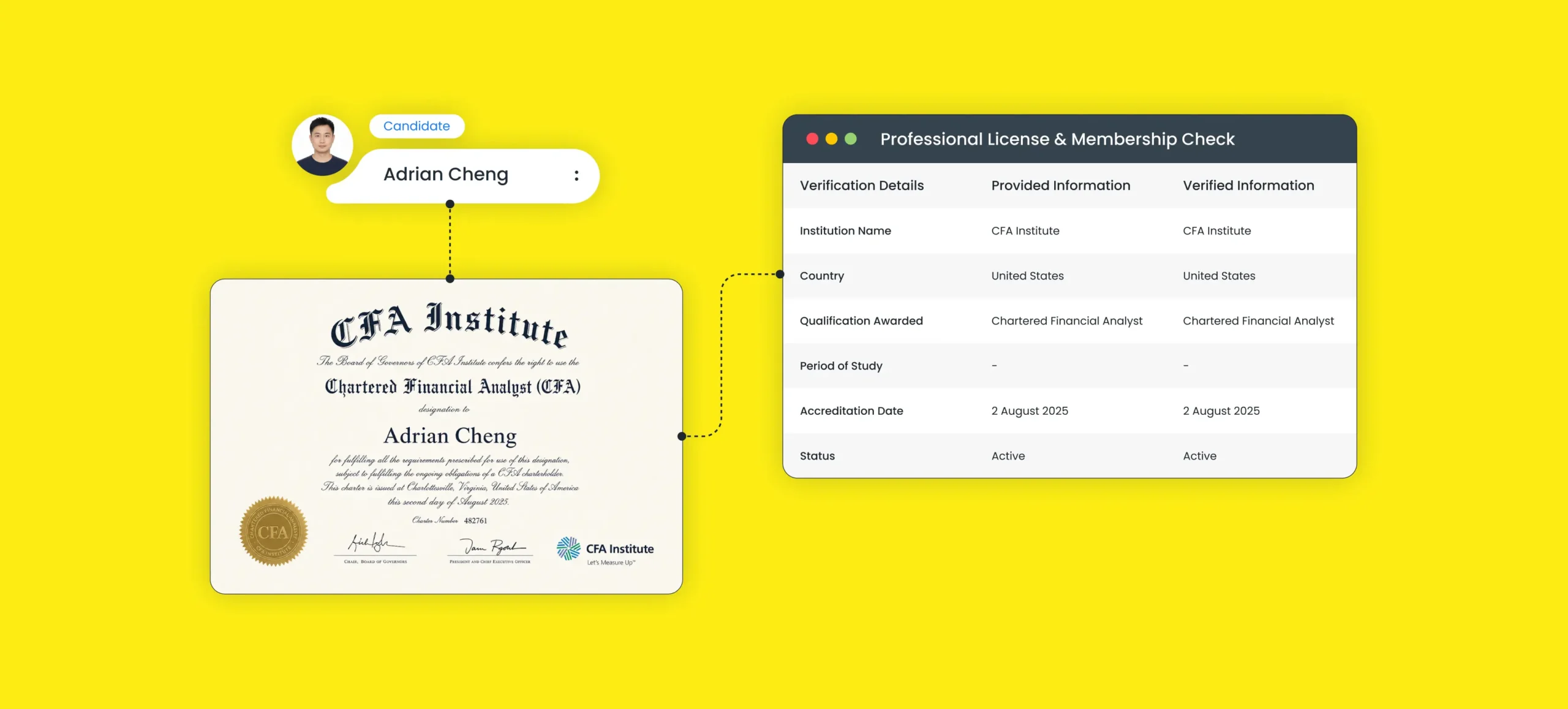
Insurance Licensing Verification: Insurance companies should verify whether candidates hold valid and active insurance licenses required for their roles. This process helps confirm that agents are legally authorized to sell insurance products and operate within industry regulations. License verification can also identify expired licenses, suspended certifications, or unauthorized practices that may pose compliance risks.
Insurance Regulatory Checks: It helps employers determine whether a candidate has been involved in disciplinary actions, regulatory violations, or misconduct within the insurance industry. These checks are essential for identifying individuals with histories of unethical business practices, fraud, or compliance breaches. Conducting insurance regulatory checks also supports transparency and helps organizations maintain professional standards.
Reference Check: Verifying a candidate’s employment history and professional references helps insurance companies confirm previous work experience, job responsibilities, and professional conduct. Reference checks may provide valuable insights into a candidate’s integrity, reliability, and communication skills. This process also helps employers identify inconsistencies or false claims in job applications.
Criminal Background Checks: Criminal background checks are crucial for identifying candidates with histories of fraud, financial crimes, identity theft, or other offenses that may impact their suitability for insurance-related roles. Since insurance agents often handle sensitive financial and personal information, screening for criminal behavior helps organizations reduce internal security risks and protect policyholders.
Credit History Checks for Financially Sensitive Roles: Insurance agents working in roles involving financial transactions or access to customer financial data may undergo credit history checks. Reviewing credit history can help employers assess financial responsibility and identify warning signs such as excessive debt, financial misconduct, or poor financial management. These checks are particularly important for positions involving financial decision-making or policy management.
Verification of Disciplinary Actions: Insurance companies should verify whether candidates have previously faced disciplinary measures, regulatory sanctions, or professional misconduct allegations. Identifying such records helps employers evaluate potential compliance risks and protect the organization’s reputation. This process is especially important for maintaining trust and accountability within the insurance industry.
Employers operating in Hong Kong should also understand the importance of conducting insurance agent checks in Hong Kong to ensure compliance with local industry regulations and maintain trust with policyholders. Proper screening procedures can help insurance companies strengthen workforce integrity, improve fraud prevention efforts, and support safer hiring practices across the organization.
Legal Considerations for Conducting Background Checks in the Insurance Industry
While conducting background checks in the insurance industry, companies must carefully navigate a range of legal requirements to ensure compliance with various federal and state laws. Understanding these legal obligations is not only crucial for ensuring compliance but also for an effective screening process.
Here are some key legal considerations that employers and hiring managers should be aware of :
Obtaining Consent for Background Checks: A fundamental aspect of conducting background checks is obtaining explicit consent from candidates. This ensures transparency and respects individuals’ rights regarding their personal data. For instance, in Singapore, the Personal Data Protection Act (PDPA) requires organizations to inform individuals about the purpose of collecting their personal data and obtain their consent.
Fair Credit Reporting Act (FCRA) Compliance: While the FCRA is specific to the United States, similar regulations exist in other regions that govern the use of consumer reports for employment purposes. In Hong Kong, the Personal Data (Privacy) Ordinance mandates that employers provide candidates with a notice about the intended use of their data and obtain consent before processing it.
Insurance-Specific Regulations: Many countries have specific laws that regulate background checks within the insurance industry to safeguard against fraud and misconduct. For instance, in Malaysia, the Financial Services Act requires insurance companies to conduct background checks to ensure that employees do not have previous convictions related to fraud or dishonesty.
Equal Employment Opportunity Guidelines: Compliance with anti-discrimination laws is essential to ensure fair hiring practices. Employers must ensure that their background check practices do not disproportionately exclude individuals based on protected characteristics. In Vietnam, the Labor Code prohibits discrimination based on gender, ethnicity, or religion during the hiring process, including background checks.
Data Protection and Privacy Laws: Adherence to data protection laws is critical for safeguarding personal information during insurance industry background checks. In China, the Personal Information Protection Law (PIPL) governs the handling of personal data, requiring companies to obtain consent and ensure the secure processing of individuals’ information.
Failure to consider these legal provisions can lead to serious consequences, including lawsuits, fines, and reputational damage. By ensuring full compliance with applicable laws in a region, insurance companies can protect both their business and their customers while maintaining a fair and transparent hiring process.
Best Practices for Insurance Industry Background Checks
To strengthen hiring practices and maintain regulatory compliance, insurance companies should adopt a structured and consistent background screening process. A well-planned screening strategy not only helps organizations identify potential hiring risks but also supports fraud prevention, protects sensitive customer data, and promotes a culture of integrity across the workplace.
Some best practices include:
Conducting Pre-Employment Screening for All Employees: Insurance companies should conduct comprehensive pre-employment screening for every candidate before onboarding. This process may include criminal background checks, employment verification, education verification, and identity verification to confirm the accuracy of candidate information. Consistent screening across all departments also helps organizations maintain fairness, reduce hiring risks, and strengthen overall compliance screening efforts.
Performing Periodic Re-Screening for High-Risk Roles: Background screening should not be treated as a one-time process, especially for employees handling sensitive financial information or customer data. Periodic re-screening can help organizations identify new legal, financial, or regulatory issues that may arise after hiring. This practice is particularly important for insurance agents, claims professionals, and employees working in compliance-sensitive positions.
Maintaining Proper Documentation and Audit Trails: Insurance companies should maintain accurate records of all background screening activities, consent forms, verification reports, and compliance procedures. Proper documentation helps organizations demonstrate transparency and accountability during regulatory audits or legal reviews. Maintaining audit trails also ensures that hiring decisions are supported by documented evidence and consistent screening standards.
Verifying Professional Licenses and Certifications: Many roles within the insurance industry require employees or agents to hold valid licenses and professional certifications. Organizations should regularly verify these credentials to ensure employees remain compliant with industry regulations and professional standards. Proper license verification can also help employers identify expired certifications, disciplinary actions, or unauthorized professional practices.
Following Regional Data Privacy and Compliance Laws: Insurance companies operating across multiple regions must ensure that their background screening practices comply with local privacy and employment laws. Regulations related to data collection, candidate consent, and information storage may vary from one country to another. Adhering to these legal requirements helps organizations avoid regulatory penalties while protecting candidate and employee information.
Implementing Ongoing Monitoring for Fraud Prevention: Ongoing monitoring allows insurance companies to identify potential risks that may develop after an employee has been hired. This may include monitoring regulatory sanctions, criminal records, or compliance violations associated with employees in high-risk roles. Continuous monitoring strengthens fraud prevention strategies and helps organizations respond quickly to emerging internal threats.
By adopting comprehensive insurance industry background checks, organizations can improve workforce integrity, reduce compliance risks, and better protect sensitive customer information. A proactive and well-structured screening process also helps insurance companies strengthen trust with policyholders, maintain operational integrity, and support long-term business stability.
Key Takeaways
- Insurance Industry Background Checks are essential in order to identify candidates with criminal behaviors or financial irresponsibility, help mitigate fraud risks, and also protect company assets.
- Recent fraud cases in the insurance industry highlight the urgent need for rigorous background checks to prevent financial misconduct and protect company assets. High-profile incidents of embezzlement and fraudulent claims demonstrate the risks associated with hiring unverified individuals in sensitive roles.
- Implementing comprehensive background screening within insurance firms fosters a culture of integrity and ensures compliance with industry regulations, safeguarding the organization from potential legal repercussions.
- A thorough background check system in the insurance sector should include various types of checks, such as criminal background checks, credit check, social media screening, etc, to ensure a comprehensive evaluation of candidates.
- Understanding and adhering to the legal requirements specific to the insurance industry, such as obtaining consent and complying with data protection laws, is vital for conducting lawful and effective background checks.
- Investing in robust background checks can lead to significant long-term savings for insurance companies by preventing fraud, reducing employee turnover, and protecting against potential losses related to customer refunds due to scams or data breaches.
Fraud Prevention Begins Before Onboarding
Strengthen fraud prevention and ensure compliance with trusted employee verification services.